

Seasonal averages — Palermo
🌸 Spring
☀️ Summer
🍂 Autumn
❄️ Winter
Plan Your Sicily Trip Around the Seasons
Sicily has hot summers, milder coastal winters and cooler conditions at higher elevations. Spring and autumn offer alternatives to midsummer heat. Use this guide to compare seasonal temperatures, understand regional differences and choose dates for beaches, sightseeing or countryside stays.
Climate averages help with advance planning, but they are not forecasts. Check local weather before travelling, especially for mountain visits, boat trips and outdoor activities.
Explore destinations and practical advice in our Sicily travel guide.
How to Read the Seasonal Temperatures
The figures below use Palermo/Punta Raisi as one coastal reference, not an average for all Sicily. Each figure averages three published monthly values from the 1992–2021 reporting period. Temperatures are rounded to the nearest degree.
Average lows and highs describe typical daily minimum and maximum temperatures. They are not seasonal extremes or guaranteed conditions. Inland towns, other coastal locations and mountains can differ. Source: Palermo climate averages from Timeanddate and CustomWeather.
Spring in Sicily: March to May
Palermo coastal reference: average low 13°C / 55°F; average high 20°C / 68°F. Spring brings changing conditions as the island warms. Pack layers for cooler evenings and a light waterproof jacket. Plan city walks, archaeological visits and countryside outings, checking local forecasts before longer excursions.
Summer in Sicily: June to August
Palermo coastal reference: average low 22°C / 72°F; average high 29°C / 84°F. Summer suits beach-focused stays, but individual days can be much hotter than these averages. Schedule exposed sightseeing early or late in the day. When choosing accommodation, check air conditioning and shaded outdoor space.
Autumn in Sicily: September to November
Palermo coastal reference: average low 18°C / 64°F; average high 24°C / 75°F. Early autumn and late autumn offer different conditions. September can combine coastal stays with sightseeing. Later trips need more flexibility for rain and shorter days. Keep indoor visits available alongside outdoor plans.
Winter in Sicily: December to February
Palermo coastal reference: average low 10°C / 50°F; average high 15°C / 59°F. Coastal winters are milder than conditions in the mountains. Pack warmer layers and waterproof clothing. Check accommodation heating and seasonal opening hours. Snow and winter conditions can affect higher elevations, including Mount Etna.
Choose Your Season by What You Want to Do
For a beach-led holiday, consider summer and check conditions carefully outside the main season. For town visits and longer walks, consider spring or autumn. Winter trips can focus on cities, food and cultural visits. Browse our experiences for Scent of Sicily guests and confirm seasonal availability before planning around an activity.
Weather Differences Across Sicily
Choose forecasts for your actual destination, not simply “Sicily”. Elevation, coastal exposure and local conditions matter. These regional notes help you decide which locations to check.
Western Sicily: Trapani and Marsala
Check coastal forecasts for stays around Trapani, Marsala, Scopello and San Vito Lo Capo. Wind and sea conditions matter for boat trips and beach plans. For visits to hilltop Erice, check conditions separately rather than relying only on the coastal temperature.
Palermo, Cefalù and the Northern Coast
Palermo provides the coastal reference used in this guide. It does not describe every location along the northern coast. Check Cefalù separately when staying there. For the Madonie, use a forecast matching the village or walking route and its elevation.
Taormina, Catania and Mount Etna
A coastal forecast is not suitable for a Mount Etna excursion. Check temperatures, wind and access conditions for the planned elevation. Choose a local forecast for Taormina, Catania or Savoca when organising town visits. Bring appropriate layers for trips between the coast and mountain.
Syracuse and Southeast Sicily
Check local conditions for Syracuse, Noto and the coast around Vendicari. Inland visits to Modica and Ragusa need their own forecasts. Plan exposed archaeological sites and town walks around the day’s temperature. Keep beach plans flexible when wind or rain changes.
Agrigento and the Southwest Coast
Check forecasts for Agrigento, Sciacca or Menfi according to your base. Visits to open archaeological sites need planning around heat, rain and available shade. For coastal outings, check wind and sea conditions as well as the air temperature.
Central Sicily
Enna, Caltanissetta and other inland destinations should not be represented by Palermo’s coastal averages. Elevation affects temperatures, particularly outside summer. Check the forecast for each stop when planning inland routes, and pack layers for changing conditions.
Sicily’s Islands
Use island-specific forecasts for the Aeolian Islands, Aegadian Islands, Ustica, Pantelleria and Pelagie. Conditions on mainland Sicily may not match your destination. Check ferry updates and marine forecasts before travelling. Leave flexibility around island connections when planning onward flights or fixed appointments.
Plan Your Stay Around Location and Season
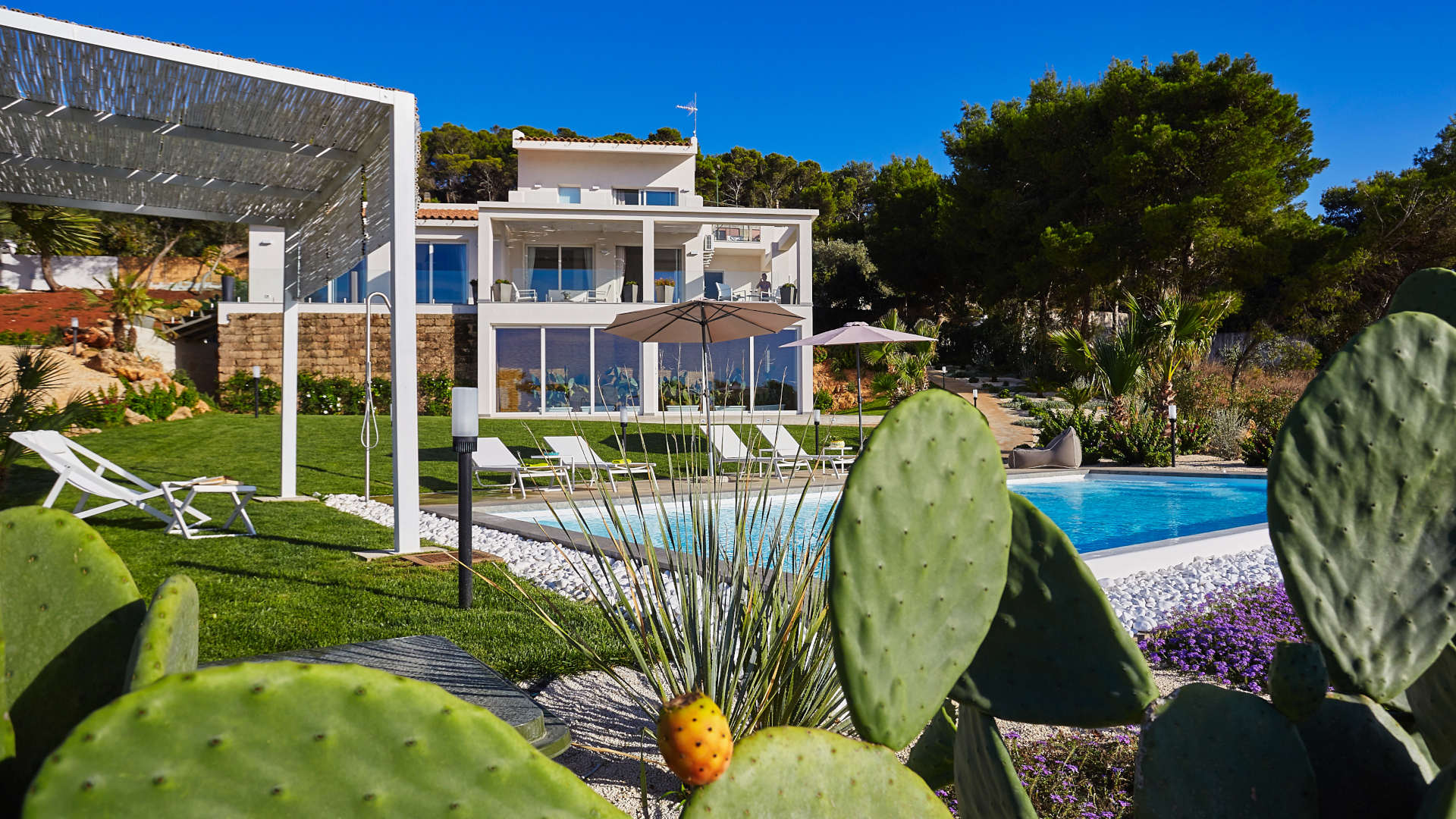
Compare indoor heating for cooler months, air conditioning for summer and shaded terraces for outdoor meals. A private pool is not necessarily heated or open throughout the year. Check the individual property’s facilities and seasonal arrangements.
Browse villas in Sicily or contact the Sicily-based team with your dates, preferred area and required facilities.
For regional tourism guidance, see Visit Sicily’s guide to the seasons. Always check a current local forecast before weather-dependent activities.
Sicily Weather: Frequently Asked Questions
When is the best time to visit Sicily?
Spring and autumn suit sightseeing, while summer suits beach-focused trips. The best dates depend on your activities and tolerance for heat. Coastal stays, inland walks and mountain visits need different planning. Check local forecasts before travelling and seasonal opening dates before booking activities. Use our Sicily travel guide to compare destinations.
How hot is Sicily in summer?
Sicily has hot summers, with temperatures varying by location and weather conditions. Seasonal averages do not describe the hottest days. Plan exposed sightseeing early or late, and allow time indoors during the hottest hours. Check air conditioning and shaded outdoor areas when selecting accommodation. Compare facilities on individual Sicily villa pages.
Can you swim in Sicily in October?
Swimming in Sicily can be possible in October, but conditions are not guaranteed. Water temperature, wind, waves and personal comfort all matter. Check local beach conditions rather than relying on air temperature alone. Villa pools may have seasonal closures or separate heating charges. Review opening dates and facilities when comparing Sicily villas with pools.
Is Sicily warm in winter?
Sicily’s coast has relatively mild winters, but inland and mountain locations can be much colder. Rain, wind and cool evenings still affect travel plans. Pack layers and waterproof clothing, and confirm indoor heating at your accommodation. For higher elevations, check a dedicated local forecast. Read our Sicily travel advice when planning your route.
Does Sicily have the same weather across the island?
No. Sicily’s weather varies between coasts, inland towns, mountains and offshore islands. A Palermo temperature does not describe conditions on Mount Etna or in Enna. Use forecasts for your accommodation and each planned excursion. Check marine conditions separately before boat trips. Explore our guide to Sicily’s destinations to organise your itinerary.