

Western Sicily · UNESCO candidature
Between Trapani and Marsala, wind, seawater and centuries of human patience have created one of the Mediterranean’s most distinctive landscapes.
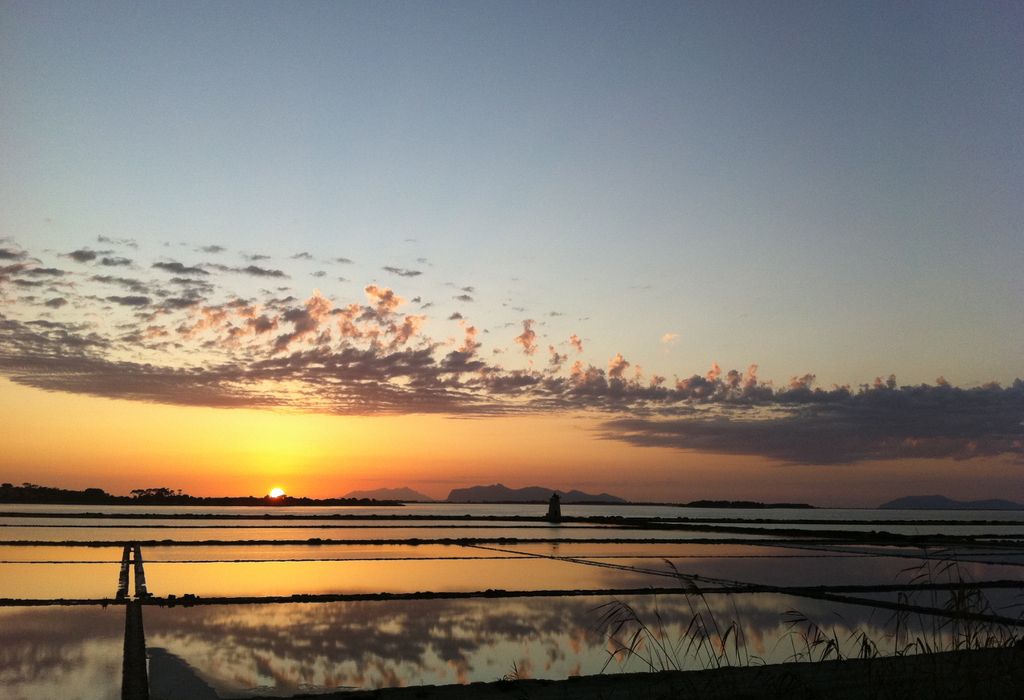
On Sicily’s far western coast, the landscape appears to be made from light. Shallow basins mirror the sky, white salt gathers beside old windmills and flamingos move across water coloured rose, copper and silver by the setting sun. These are not abandoned relics, but working salt pans where an ancient craft continues alongside an exceptionally rich wetland habitat.
The Saline di Sicilia have now taken an important step towards international recognition. Italy’s national technical commission has endorsed their candidature for UNESCO’s Man and the Biosphere programme. The international assessment still lies ahead, but the candidature has already focused attention on a rare balance between productive human activity, biodiversity and coastal culture.
Why this landscape matters
The proposed biosphere area follows approximately 25 kilometres of coastline through Trapani, Paceco, Misiliscemi and Marsala. It connects the salt pans of Trapani and Paceco with the Stagnone lagoon: a sequence of wetlands, islands, working basins and coastal communities shaped by the movement of water.
Traditional salt production depends on a precise sequence of evaporation basins and on the combined work of sun and wind. The salinity changes from one basin to another, creating specialised habitats that offer food and shelter to migratory birds. Flamingos are the most immediately recognisable visitors, but the reserves support a much wider network of Mediterranean wildlife.
Two landscapes along Sicily’s salt road
Trapani and Paceco: windmills and working salt pans
South of Trapani, geometric basins stretch between the city and the sea. Windmills, canals and pyramids of harvested salt give the reserve its unmistakable character. The landscape is partly artificial, yet it has become one of western Sicily’s most important wetlands and a major stopping place for birds crossing the Mediterranean.
Marsala and the Stagnone: a lagoon with a Phoenician memory
Farther south, the Stagnone lagoon opens towards the Egadi Islands. Its shallow water surrounds low islands, including Mozia, where the remains of a Phoenician settlement add another layer to the journey. At sunset, the lagoon, windmills and salt basins seem to merge into a single horizon.
Read our guide to Marsala, Mozia and the Stagnone Nature Reserve.
How to visit the salt pans
- Best time: arrive in the late afternoon, when the heat softens and the basins begin to reflect the changing sky.
- Time needed: allow at least two hours for a relaxed visit, longer if you add Mozia or a guided salt-pan experience.
- Access: conditions differ between the nature reserves and privately managed salt works; check current opening arrangements and reserve guided visits in advance.
- What to bring: water, sun protection, comfortable shoes and binoculars if birdwatching is part of your plan.
Build a journey around western Sicily
The salt road can become the thread of a wider itinerary. Begin among Trapani’s pale stone streets, continue to the hill town of Erice and the temple of Segesta, then follow the coast towards Marsala for Mozia, a wine-cellar visit and dinner as the final light crosses the lagoon.
From a private villa, these places become part of the natural rhythm of the stay: a quiet morning by the pool, an afternoon among windmills and salt basins, then dinner outdoors. Compare our villas in western Sicily, or explore the wider collection of luxury villas in Sicily.
Stay close to Marsala and the Stagnone
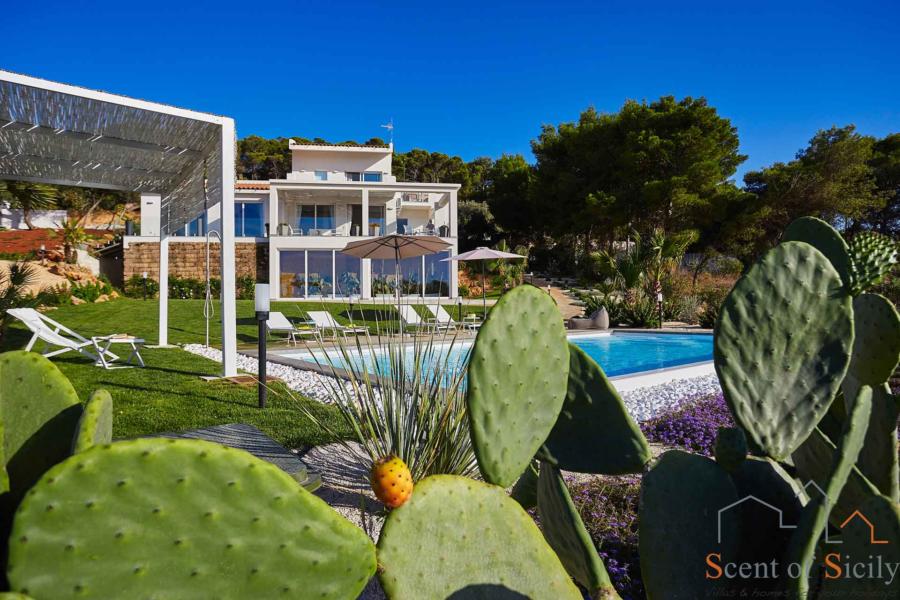
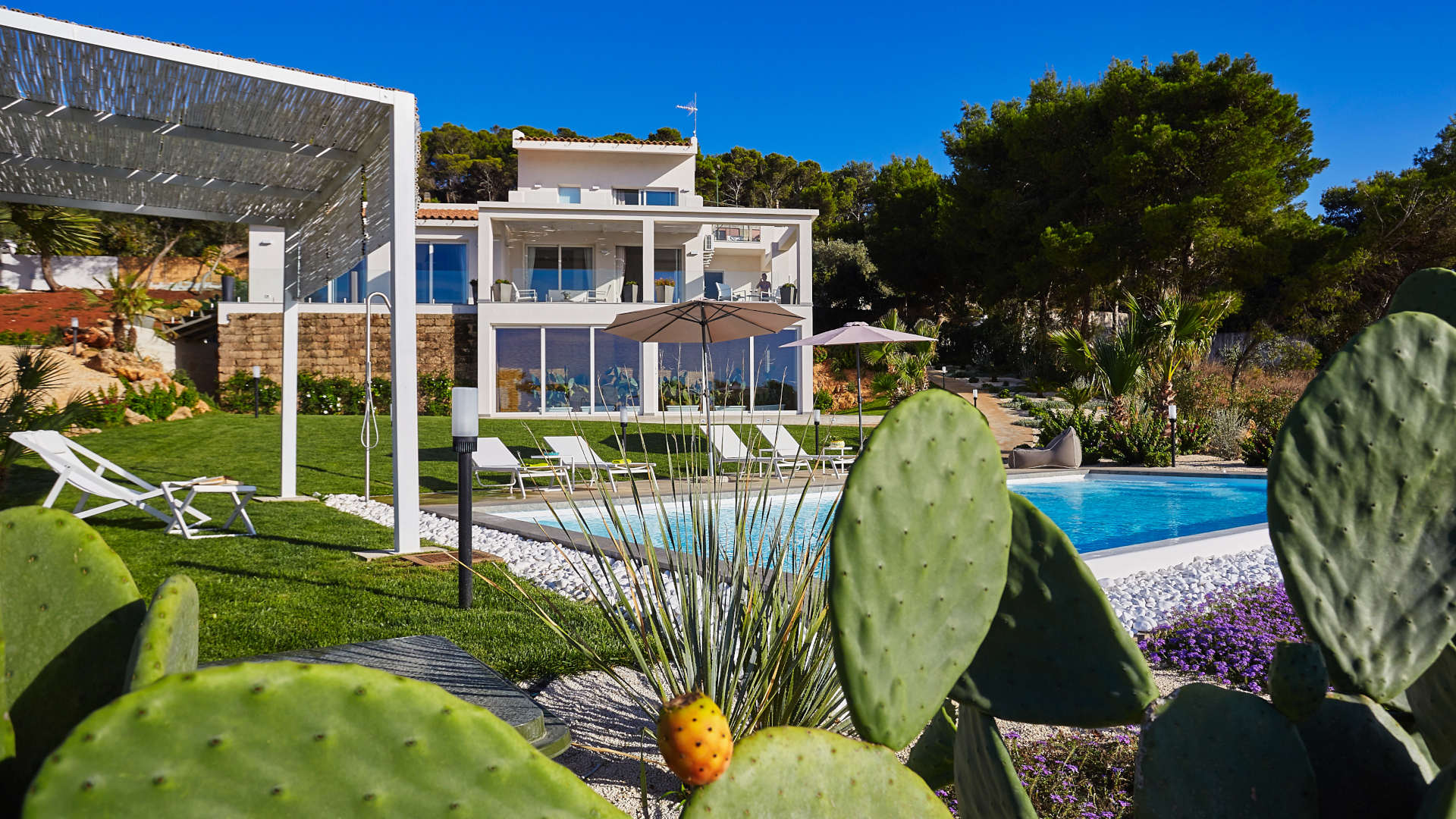
A villa near Marsala places the Stagnone, Mozia, wine estates and western Sicily’s beaches within easy reach, while preserving the privacy and unhurried pace that suit this part of the island.
Explore villas in western SicilySicily Salt Pans: Frequently Asked Questions
Are Sicily’s salt pans a UNESCO Biosphere Reserve?
No. As of September 2026, the Saline di Sicilia are a candidate for UNESCO’s Man and the Biosphere Programme, not a designated Biosphere Reserve. Italy’s national technical commission has endorsed the candidature, but UNESCO’s international evaluation is still pending.
The salt pans can already be visited; however, they should not be described as UNESCO-listed unless the international designation is formally approved.
Which salt pans should I visit: Trapani and Paceco or Marsala and the Stagnone?
Choose Trapani and Paceco for broad views of working salt basins, historic windmills and the nature reserve. Choose Marsala and the Stagnone for a lagoon landscape combining salt pans with Mozia’s Phoenician archaeology and sunset views towards the Egadi Islands.
The two areas belong to the same coastal landscape and can be combined in a day by car. Read our guide to Marsala, Mozia and the Stagnone Nature Reserve before planning the route.
When is the best time to visit Sicily’s salt pans, and how long do you need?
Late afternoon is the best time to visit Sicily’s salt pans for softer temperatures and sunset reflections across the basins. Allow at least two hours for one salt-pan area, or most of a day if you plan to combine Trapani and Paceco with Marsala, the Stagnone or Mozia.
Opening arrangements differ between nature reserves and privately managed salt works, so check current access and guided-tour times before travelling. A stay in one of our villas in western Sicily makes it easier to explore the coast without rushing.